How Technology is Reinventing Primary Source Verification
March 18, 2026




Brand Name :
Scandonest 2% L Carbocaine 2% with Neo-Cobefrin Polocaine Dental
Synonyms :
mepivacaine and levonordefrin
Class :
Local Anesthetic




Brand Name :
Scandonest 2% L Carbocaine 2% with Neo-Cobefrin Polocaine Dental
Synonyms :
mepivacaine and levonordefrin
Class :
Local Anesthetic
Dosage forms and strengths
Dental solution for injection:
Scandonest 2% L- 2% mepivacaine hydrochloride and 1.7 ml levonordefrin [1:20,000]
Carbocaine 2% with Neo-Cobefrin- 2% mepivacaine hydrochloride and 1.7 ml levonordefrin [1:20,000]
Dosage forms and strengths
Dental solution for injection:
Scandonest 2% L- 2% mepivacaine hydrochloride and 1.7 ml levonordefrin [1:20,000]
Carbocaine 2% with Neo-Cobefrin- 2% mepivacaine hydrochloride and 1.7 ml levonordefrin [1:20,000]
Refer adult dosing
Actions and Spectrum:
Action: mepivacaine is a local anesthetic that belongs to the amide class. The action involves the inhibition of nerve impulses in the specific targeted region specifically by inhibiting the influx of sodium ions through the nerve cell membranes. This blockade prevents the nerves from transmitting pain signals to the brain, resulting in temporary numbness and loss of sensation in the region where it is administered.
Spectrum: mepivacaine has an intermediate duration of action among local anesthetics. It provides relatively fast onset of anesthesia and is commonly used for short to moderate dental procedures.The anesthetic effect typically lasts for about 1 to 1.5 hours, making it suitable for procedures that require a relatively short period of anesthesia.
levonordefrin
Action: levonordefrin is a vasoconstrictor or sympathomimetic agent. It is often added to local anesthetic solutions, like mepivacaine, to enhance the effects of the anesthetic and prolong its duration. levonordefrin acts by constricting blood vessels in the vicinity of the injection site. This vasoconstrictive action reduces blood flow to the area, which, in turn, delays the systemic absorption of the anesthetic, leading to a more prolonged and localized effect.
Spectrum: As a vasoconstrictor, levonordefrin does not have anesthetic properties on its own. Its primary role is to enhance the effects of the local anesthetic it is combined with. By prolonging the anesthetic’s action, it allows for longer, more extensive dental procedures to be performed without the need for additional anesthesia.
Frequency not defined
Ophthalmic: Blurred vision
Neuromuscular & skeletal: Tremor
Hypersensitivity: Hypersensitivity reaction
Central nervous system: drowsiness, disorientation, nervousness, dizziness, excitement, loss of consciousness, seizure, excitement
Black Box Warning:
mepivacaine combined with levonordefrin may pose a risk of serious cardiovascular events, including life-threatening arrhythmias, myocardial infarction (heart attack), and cardiac arrest, especially in patients with pre-existing heart conditions.
Contraindication/Caution:
mepivacaine:
Allergy or hypersensitivity: Individuals who have a known allergy or hypersensitivity to mepivacaine or any component of the medication should not receive it. Severe allergic reactions can occur, which may be life-threatening.
Sodium metabisulfite sensitivity: mepivacaine solutions often contain sodium metabisulfite as a preservative. Some individuals may be sensitive or allergic to this compound, leading to allergic reactions.
Porphyria: mepivacaine administration is contraindicated in patients with a history of porphyria, a group of rare inherited disorders affecting enzymes involved in heme production. The use of mepivacaine in these individuals can trigger porphyria attacks.
Methemoglobinemia: mepivacaine can induce methemoglobinemia, a condition where the blood’s ability to carry oxygen is impaired. Patients with a history of methemoglobinemia or those who are more susceptible to this condition should avoid mepivacaine.
Central Nervous System (CNS) disorders: Caution is advised in patients with certain CNS disorders, such as epilepsy or other neurological conditions. mepivacaine can potentially interact with these conditions and lead to adverse effects.
levonordefrin
Hypersensitivity: Individuals with a known allergy or hypersensitivity to levonordefrin or any of its components should not receive this medication.
Cardiovascular Disorders: levonordefrin is a vasoconstrictor, and it should be used with caution or avoided in patients with significant cardiovascular diseases, such as hypertension, angina, arrhythmias, or recent myocardial infarction.
Uncontrolled Hyperthyroidism: levonordefrin may exacerbate the cardiovascular effects of hyperthyroidism, so it should be used with caution in patients with uncontrolled thyroid disorders.
Narrow-Angle Glaucoma: levonordefrin can increase intraocular pressure and should be used cautiously or avoided in patients with narrow-angle glaucoma.
Use with MAO Inhibitors: levonordefrin should not be used in patients taking monoamine oxidase inhibitors (MAOIs) or within two weeks of discontinuing MAOIs due to the risk of severe hypertensive crisis.
Pregnancy and Breastfeeding: The safety of levonordefrin during pregnancy and breastfeeding is not well-established, and its use should be based on the dentist’s judgment and assessment of potential risks.
Pregnancy warnings:
Pregnancy category: N/A
Lactation: Excreted into human milk is unknown
Pregnancy Categories:
Category A: Studies that were well-controlled and met expectations revealed no risk to the fetus in either the first or second trimester.
Category B: There were a lack of studies on pregnant women and no evidence of risk to the fetus in animal experiments.
Category C: there was evidence of risk of adverse effects in animal reproduction studies, and no adequate evidence in human studies must take care of potential risks in pregnant women.
Category D: adequate data with sufficient evidence of human fetal risk from various platforms, but despite the potential risk, and used only in emergency cases for potential benefits.
Category X: Drugs listed in this category outweigh the risks over benefits. Hence these categories of drugs need to be avoided by pregnant women.
Category N: There is no data available for the drug under this category
Pharmacology:
mepivacaine and levonordefrin are both drugs used in dentistry for local anesthesia.
Pharmacodynamics:
mepivacaine:
mepivacaine is a local anesthetic belonging to the amide group. It works by reversibly blocking nerve conduction when applied to nerve tissues. mepivacaine inhibits the influx of sodium ions through sodium channels, preventing the initiation and conduction of nerve impulses. This results in temporary loss of sensation in the area where the drug is applied.
levonordefrin
levonordefrin is a vasoconstrictor drug used in combination with local anesthetics to prolong the effect of anesthesia by reducing blood flow to the site of injection. It belongs to the class of drugs known as sympathomimetics, which mimic the action of the sympathetic nervous system’s neurotransmitters, such as norepinephrine.
Pharmacokinetics:
mepivacaine
Absorption
mepivacaine is primarily administered as a local anesthetic solution for injection. After injection, it is rapidly absorbed into the bloodstream.
Distribution
mepivacaine can cross the blood-brain barrier, and its distribution depends on its protein binding capacity. It has a moderate protein binding profile.
Metabolism
mepivacaine undergoes hepatic metabolism through enzymatic hydrolysis in the liver.
Excretion and Elimination
The drug and its metabolites are excreted primarily through the kidneys.
levonordefrin
Absorption
levonordefrin is usually administered as a topical solution or in combination with a local anesthetic for injection.
Distribution
After administration, levonordefrin is rapidly distributed throughout the body.
Metabolism
levonordefrin undergoes hepatic metabolism.
Excretion and Elimination
The drug and its metabolites are excreted through the kidneys.
Administration:
Aspiration:
Before injecting the anesthetic, the healthcare provider will aspirate the syringe to ensure that the needle is not in a blood vessel.
Aspiration helps to avoid intravascular injection and potential systemic effects of the anesthetic.
Injection:
The healthcare provider will administer the mepivacaine with levonordefrin solution using a syringe and needle.
The injection site will be determined based on the specific dental procedure and the nerves that need to be anesthetized.
Patient information leaflet
Generic Name: mepivacaine and levonordefrin
Why do we use mepivacaine and levonordefrin?
mepivacaine:
Dental fillings: mepivacaine is used to numb the area around the tooth that needs to be filled to make the procedure painless.
Dental extractions: It is used to anesthetize the site of tooth extraction, ensuring a painless and smooth process.
Root canal treatment: mepivacaine is applied to the affected tooth to numb the area during root canal therapy.
Minor oral surgeries: For procedures like gum surgeries or biopsy, mepivacaine is utilized to prevent pain.
levonordefrin:
Prolonging anesthesia: When combined with mepivacaine, levonordefrin helps to constrict blood vessels in the area, reducing blood flow and slowing the absorption of the anesthetic. This prolongs the duration of anesthesia, providing more extended pain relief during dental procedures.

Both our subscription plans include Free CME/CPD AMA PRA Category 1 credits.
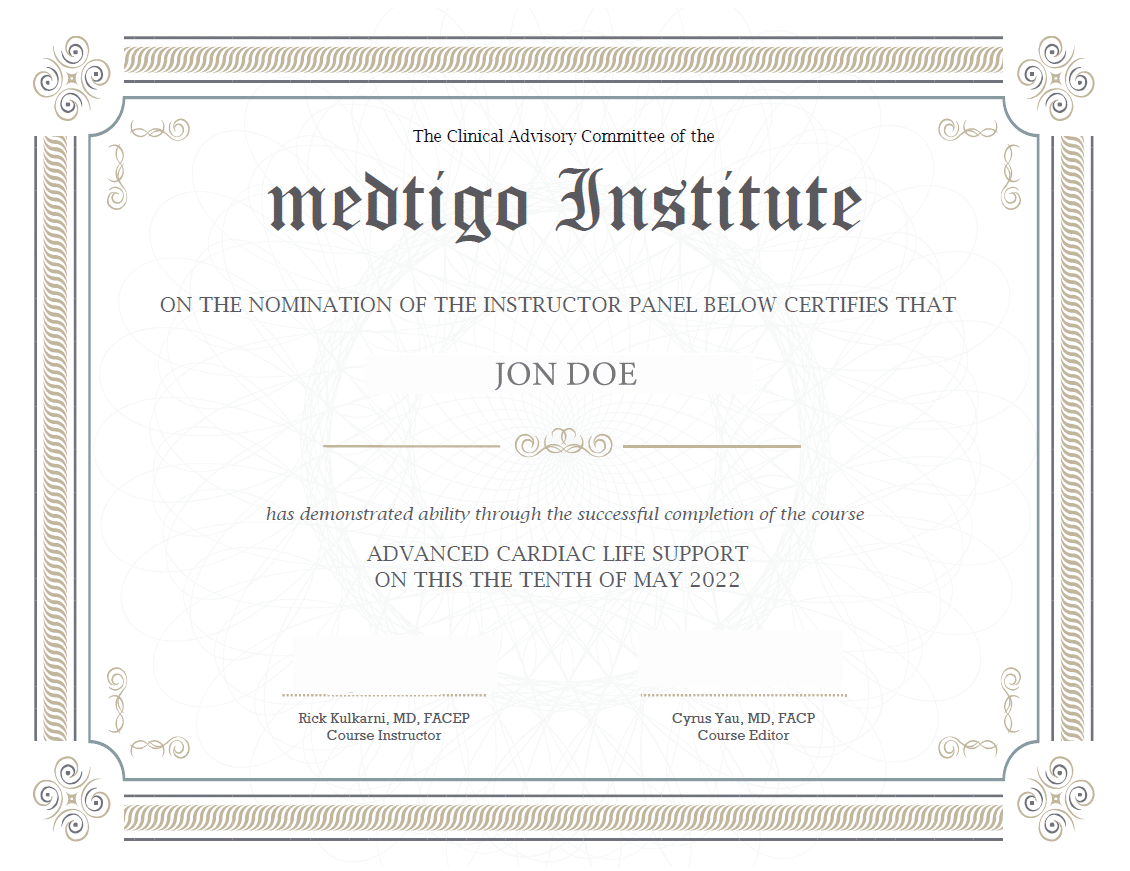
On course completion, you will receive a full-sized presentation quality digital certificate.
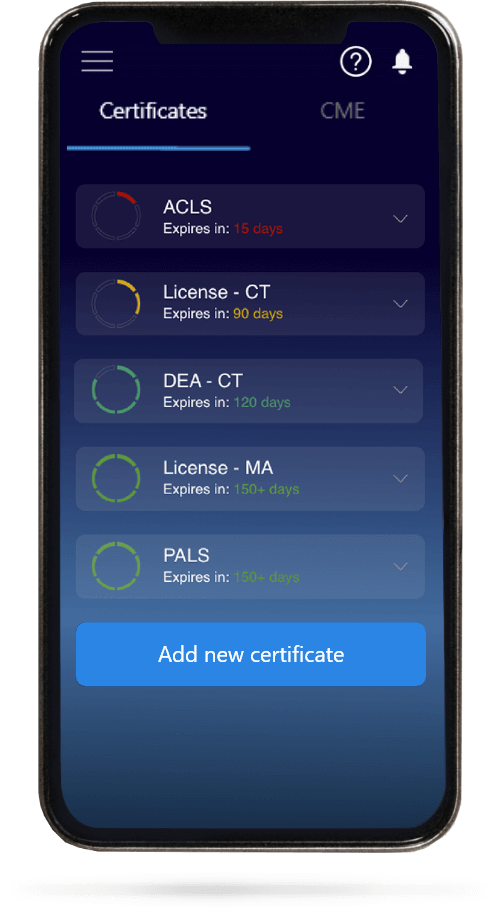
When you have your licenses, certificates and CMEs in one place, it's easier to track your career growth. You can easily share these with hospitals as well, using your medtigo app.