Primary source verification (PSV) has long been one of the most time-intensive aspects of physician credentialing. Traditionally, credentialing teams have relied on manual processes, including navigating multiple state licensing board websites, waiting for confirmations, entering data into spreadsheets, and managing documentation under tight deadlines. This method is not only time-consuming but also prone to errors, particularly as the complexity and scale of healthcare credentialing continue to expand. PSV, which requires direct confirmation of a provider’s credentials from the issuing authority, continues to be a core requirement for accreditation bodies like The Joint Commission, National Committee for Quality Assurance (NCQA), and Det Norske Veritas (DNV healthcare accreditation organization), as well as an essential element of patient safety.
Nevertheless, the conventional PSV model can no longer adequately meet the current healthcare needs. Credentialing systems were originally designed for a time when providers typically held a single state license and fewer credentials. Today, many healthcare professionals maintain multiple licenses across different states, hold various certifications, and practice in diverse settings. All credentials must be verified, monitored for expiration, and periodically recredentialed, creating a significant administrative burden.
A 2025 MedTrainer poll highlights this challenge, with 81% of credentialing professionals citing speed and accuracy as their primary concerns, pointing to a process issue rather than a staffing shortage. The current rate of healthcare cannot support any type of manual workflows that involve frequent visiting websites, downloading documents, and manually entering information. Meanwhile, the expectations of compliance have become more stringent. Organizations face risks such as expired licenses, missed sanctions, and credential misrepresentation, all of which can directly impact performance and patient safety. PSV is increasingly addressing these challenges through practical technological solutions.
Unlike manual systems, where staff spend the majority of their time retrieving and entering data, modern platforms automate these processes. After entering the license number of a provider, the system can access the verification data directly from the issuing authority, populate relevant fields, retrieve license documents, and store them in an electronic profile. It also generates an audit trail, recording the source URL, the date of verification, and the user information, elements that are critical during an accreditation review.
Not all PSV technologies offer the same value. High-quality systems provide on-demand automation, real-time and wide coverage of all types of licenses and states, and the issuing authorities are directly integrated via API connections. Together, these features ensure accurate, up-to-date information while minimizing disruptions caused by gaps in coverage or changes to external websites.
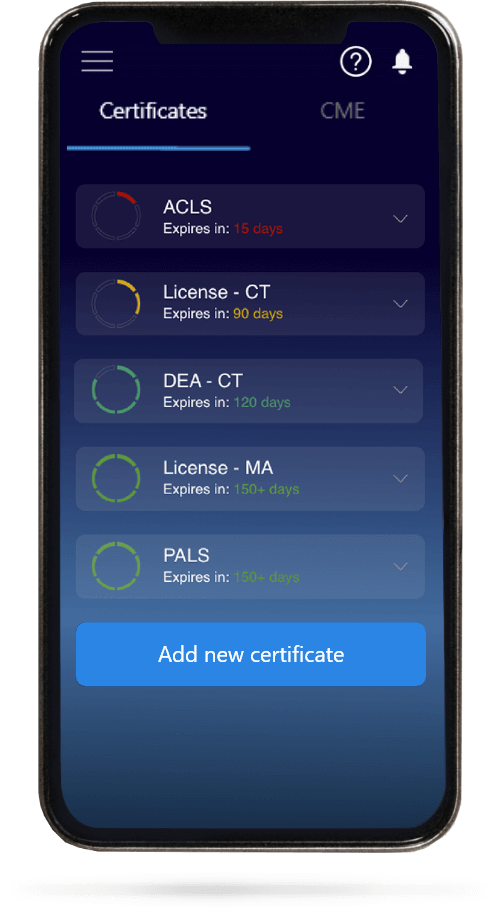
Another area where technology significantly improves reliability is expiration tracking. Maintaining records of multiple license expiration dates manually, often through spreadsheets, is highly prone to oversight. Automated systems constantly check expiration dates and issue notifications at pre-established time intervals, i.e., 180, 120, or 90 days, to credentialing teams and providers. This proactive approach aligns with updated NCQA requirements and reduces the likelihood of avoidable compliance failures.
More advanced PSV platforms are integrated into broader credentialing workflows. Licensed information can be automatically used to complete credentialing packets, payer enrollment forms, and hospital privilege applications, eliminating redundant data entry. This reduces discrepancies and minimizes errors that often occur when information is entered multiple times by different individuals.
Artificial intelligence (AI) is further advancing PSV capabilities. AI tools can quickly analyze uploaded documents, extract key details like license numbers and expiration dates, and organize files in seconds. This especially helps in the large-scale provider onboarding processes. AI-driven form mapping can also complete a lengthy credentialing application using existing data, reducing repetitive tasks and minimizing fatigue-related errors.
While these technologies significantly improve efficiency, their most important impact is on patient safety. PSV ensures that providers are properly qualified and in good standing. Manual processes increase the risk of missed verifications and overlooked expirations, whereas technology reduces these risks through automated verification, tracking, and documentation, while still allowing for appropriate human oversight.
Reference: Medwave. How technology is fixing primary source verification. medwave. Published March 14, 2026. Accessed March 18, 2026. How Technology is Fixing Primary Source Verification