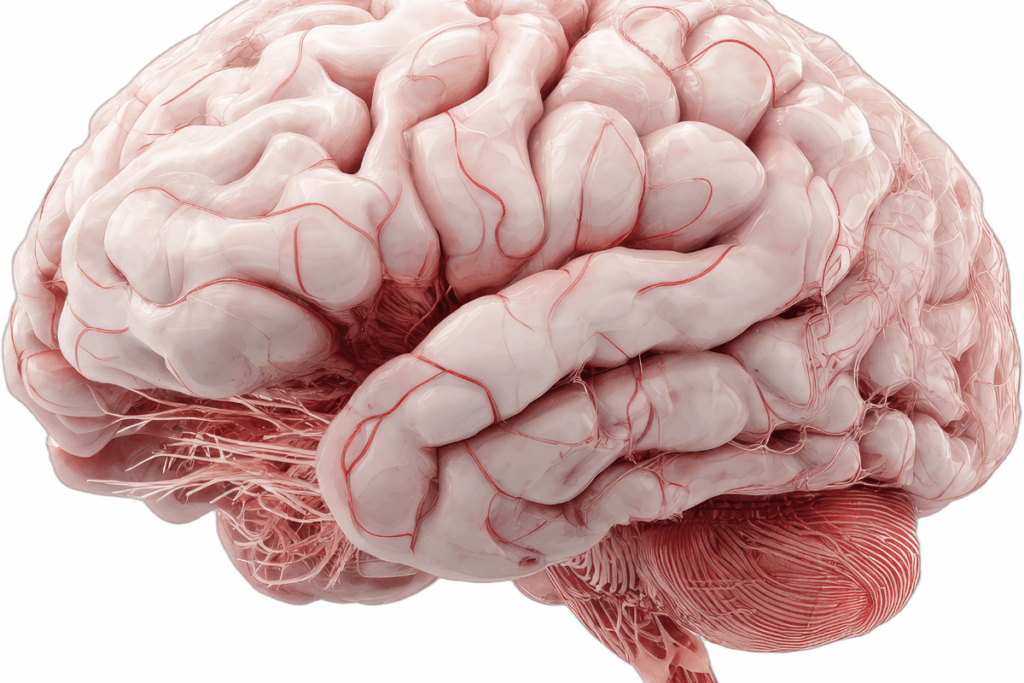
Cryopreservation and life-suspending technologies have been studied for their potential to preserve biological systems, specifically the complex brain, which relies on delicate synaptic structures and biochemical processes. Earlier procedures, like deep hypothermic circulatory arrest, have shown that the brain can tolerate severe cooling and temporary shutdown of activity. This aligns with connectomics principles, which link memories and neural functions to the structural connections between neurons. However, the recovery potential of brain tissue after a complete halt of molecular movement during deep cryogenic preservation remains uncertain.
The primary aim of this study was to determine whether functional brain activity could be restored after vitrification and rewarming of adult brain tissue. The researchers examined whether neurons in the hippocampus, a region essential for learning and memory, could recover structural integrity, metabolic activity, and electrophysiological function following cryopreservation. The study also evaluated the effects of cryoprotectant toxicity, osmotic stress, and temperature-related damage on neural tissues during the vitrification process. The researchers attempted to extend the technique from isolated brain slices to the preservation of the whole mouse brain in situ to assess the feasibility of scaling the approach.
To achieve these objectives, adult C57BL/6J mouse models were used. Researchers prepared 350-µm hippocampal brain slices and subjected them to a stepwise loading protocol using a specialized vitrification solution containing cryoprotectants like dimethyl sulfoxide, ethylene glycol, formamide, and polyvinylpyrrolidone. The tissue was gradually exposed to increasing concentrations of the solution to minimize osmotic shock and then cooled rapidly using liquid-nitrogen-based directional cooling. The slices were stored at extremely low temperatures (around −150 °C) and later rapidly rewarmed to prevent crystallization. After rewarming, cryoprotectants were gradually removed by using controlled unloading solutions to reduce osmotic swelling.
Structural preservation was evaluated by histological staining, confocal imaging, and electron microscopy. Metabolic activity was measured by assessing mitochondrial oxygen consumption in the CA1 region of the hippocampus. Neuronal function was assessed by extracellular field recordings and whole-cell patch-clamp electrophysiology. The researchers also tested whole-brain vitrification using transaortic perfusion to deliver cryoprotectants while addressing challenges posed by the blood–brain barrier.
The results demonstrated that optimized vitrification conditions enabled near-physiological recovery of hippocampal tissue after cryopreservation. Structural analyses showed preserved neuronal membranes, dendritic structures, and synaptic architecture, which indicate minimal morphological damage. Mitochondrial measurements revealed modest reductions in basal respiration after exposure to moderate cryoprotectant concentrations, whereas severe reductions were observed only at very high concentrations, suggesting that toxicity rather than vitrification itself caused most metabolic stress. Electrophysiological recordings showed that synaptic transmission and neuronal excitability were largely preserved after rewarming. Synapses in the hippocampus displayed functional plasticity, including the induction of long-term potentiation, which is widely regarded as a cellular basis for learning and memory.
Although some differences were observed, like reduced excitability in CA1 pyramidal neurons and slight physiological changes in dentate gyrus granule cells, overall neural circuit activity remained intact. Whole-brain vitrification experiments demonstrated recovery of metabolic and electrophysiological activity in some cases, although the success rate was lower because of technical challenges related to dehydration and cryoprotectant delivery.
This study provides strong evidence that adult brain tissue can recover functional activity after cryogenic vitrification and rewarming. The findings suggest that neural circuits can resume activity even after complete cessation of molecular motion in a vitrified state, reinforcing the concept that brain function arises from preserved structural connectivity. Although further research is required to improve long-term viability and to scale the method to larger biological systems, these results highlight the remarkable resilience of neural tissue and suggest promising applications in neuroscience research, tissue preservation, and the future development of life-suspending technologies.
Reference: German A, Akdaş EY, Flügel-Koch C, et al. Functional recovery of the adult murine hippocampus after cryopreservation by vitrification. Proc Natl Acad Sci U S A. 2026;123(10):e2516848123. doi:10.1073/pnas.2516848123