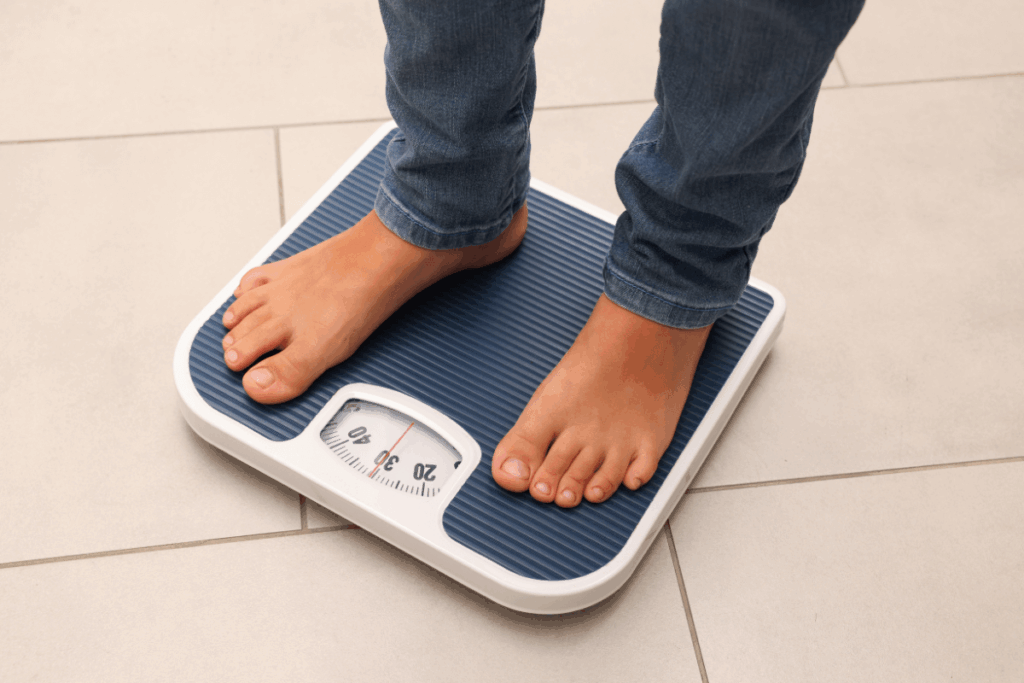
Glucagon-like peptide-1 (GLP-1) therapies like Semaglutide and Tirzepatide have revolutionized the management of obesity and metabolic disorders, producing significant weight loss comparable to that achieved with bariatric surgery. These medications also enhance several obesity related health conditions. However, their clinical uptake is limited by high costs, restricted availability, and concerns regarding long-term treatment. Previous research shows that stopping GLP-1 therapy often leads to weight regain and adverse metabolic effects, but effective tapering or maintenance strategies remain underexplored.
The aim of this study was to assess whether patients who achieved significant weight loss and metabolic improvement with standard weekly GLP-1 therapy could maintain these benefits after transitioning to a reduced frequency maintenance dosing regimen. The researchers hypothesized that individuals who had reached a stable weight plateau and improved metabolic health might sustain these outcomes with less frequent dosing rather than continuous weekly therapy.
This retrospective case series study, approved by the Scripps Research Institutional Review Board with a waiver of informed consent, included adult patients receiving GLP-1 therapy (semaglutide or tirzepatide) at a community and academic obesity clinic. Inclusion criteria included a diagnosis of type 2 diabetes, a body mass index (BMI) of 30 kg/m² or higher, or a BMI of at least 27 kg/m² with weight-related comorbidities. Patients experiencing a weight-loss plateau, defined as below 5% weight variation over 3 months, had the option to switch from weekly injections to a biweekly dosing regimen at the same effective dose. Clinical assessments were performed at 3 stages: pre-GLP1 therapy, during weight-loss plateau, and at the most recent follow-up during reduced-frequency dosing. Measurements included body weight, BMI, blood pressure, body composition by bioelectrical impedance analysis, and metabolic markers like hemoglobin A1c (HbA1c), triglycerides, and high-density lipoprotein (HDL) cholesterol. The primary outcome was the change in body weight before and after switching to maintenance dosing, analysed using paired t-tests with statistical significance set at p < 0.05.
Among 38 initially identified participants in a weight management study, 30 (88% of those attempting reduced-frequency therapy) successfully maintained the regimen, while a few returned to weekly therapy because of weight regain. The average duration of this maintenance therapy was 36 weeks, with a range from 11 to 115 weeks, which included 21 patients treated with tirzepatide and 9 with semaglutide. Participants had a mean age of 58 years and a mean baseline BMI of about 30 kg/m². During the initial weekly dosing phase, participants experienced significant weight loss with mean body weight decreasing from 87.9 ± 2.4 kg to 74.1 ± 2.4 kg, representing an average reduction of 17.2% ± 1.3%. BMI decreased from 30.0 ± 0.7 kg/m² to 25.2 ± 0.5 kg/m² (p < 0.001). After transitioning to reduced-frequency maintenance therapy, patients maintained these improvements and experienced a slight additional weight loss to 72.4 ± 2.2 kg (p < 0.01), corresponding to a further reduction of 2.3% ± 0.7%.
Body composition analysis showed significant reductions in total body fat, truncal fat mass, and body fat percentage during the weekly therapy phase (p < 0.001), with fat loss occurring more rapidly than muscle loss. During the maintenance phase, body fat continued to decline modestly (p < 0.05), while skeletal muscle mass exhibited a slight increase. Metabolic outcomes also showed significant improvement: mean HbA1c decreased from 5.6% ± 0.13% to 5.1% ± 0.1% after the weekly dosing phase (p < 0.001) and remained stable during maintenance (p = 0.89). Triglycerides dropped from 121.0 ± 11.3 mg/dL to 84.3 ± 9.6 mg/dL (p < 0.001), continuing to trend downward in maintenance. Blood pressure showed improvement and remained stable during this phase. The prevalence of metabolic syndrome components reduced from 82.8% before treatment to 68.0% after weekly therapy and further declined to 58.6% during the maintenance period.
This retrospective study suggests that patients who achieve substantial weight loss and metabolic improvements with standard weekly GLP-1 therapy may be able to maintain these benefits after transitioning to reduced frequency dosing. Such an approach may reduce treatment burden while preserving therapeutic outcomes. However, larger randomized controlled trials are needed to confirm these findings and establish evidence-based guidelines for GLP-1 maintenance dosing strategies in obesity management.
Reference: Wong M, Wu A, Garhe PK, Biermann M. Reduced-Frequency GLP1 Therapy Maintains Weight, Body Composition, and Metabolic Syndrome Improvements: A Case Series. Obesity (Silver Spring). 2026:1-9. doi:10.1002/oby.70137